Rooted Counseling & Wellness
Support for Individuals with ADHD & Autism

What Does it Mean to Be “Neurodivergent”?
In the simplest explanation, “being Neurodivergent” means having a brain that develops and works differently than the average person’s brain, also known as the “Neurotypical” way of thinking. “Neurodivergence” is a non-medical term that has become the widely accepted way to describe individuals who have ADHD, Autism, Sensory Processing Disorders, and/or Learning disabilities.
Traditional therapy was founded using practices that work very well with neurotypical brains, but often have many “missing pieces” for those who are neurodivergent.
Here at Rooted, we have clinicians who specialize in treating adolescents and adults who fall on the spectrum of neurodivergence. We believe in creating a holistic environment for healing, focusing not just on overcoming challenges related to Neurodivergence, but building on the unique and beautiful strengths that come with being Neurodivergent as the foundation for treatment.

What are Some Common Experiences for People With ADHD?
- 9Struggling in some or various ways in an academic or work setting
- 9Difficulty relaxing, sitting still, and sleeping
- 9Difficulty transitioning from one task to another without structured support
- 9Feeling “less than” others or never feeling “good enough”
- 9Interpersonal relationship conflicts due to inabilities to meet others’ expectations and/or due to difficulty understanding and expressing emotions
- 9Being very sensitive to rejection or perceived rejection from others
- 9Feeling chronically misunderstood by others
- 9Perfectionism and fear of making mistakes
- 9Feeling like something is wrong with you
What are Some Common Experiences for People with Autism?
- 9Difficulty understanding social situations that leads to developing social anxiety and/or isolation/loneliness during childhood or adolescence
- 9Struggling with change, especially without warning or time to prepare
- 9Needing routine and predictability in order to function; difficulty transitioning from one task to another if things feel “unfinished”
- 9Experiencing emotions that seem to be much more intense than others around you and having a harder time “calming down”
- 9Having a difficult time seeing things as “gray”; or having a tendency to think in extremes - all-or-nothing, black-and-white thinking
- 9Feeling chronically misunderstood by others; often feeling like how others might describe you doesn’t reflect how you truly feel about yourself
- 9Frequently being told you are “too sensitive”
- 9Experiencing Autistic burnout from trying to hide or mask symptoms of Autism from those around you
- 9A deep desire to be understood, accepted, and have a place to belong

How Does Trauma Interact With Neurodivergence?

Those with Neurodivergent minds are more susceptible to developing PTSD from traumatic experiences as compared to Neurotypical minds. Neurodivergent people have nervous systems that are more sensitive to the environment around them. This means that something that may cause some inconvenience and uncomfortability for someone who is not neurodivergent may be highly dysregulating and even painful for someone who is neurodivergent.
In addition, those who are neurodivergent are also susceptible to neurodivergent-specific trauma that comes from having to grow up living in a neurotypical world. Those who are neurodivergent are more likely to experience peer rejection and bullying, parent misattunement and family conflict, and get into trouble by well-meaning adults who simply do not understand what their needs are.

Rooted Counseling & Wellness
Some Examples of What Neurodivergent-specific Trauma Can Look Like:
1. Sensory Trauma
Frequently being exposed to situations and environments that cause sensory overload (bright lights, loud sounds, physical discomfort, etc.) and being denied accommodation to relieve the stress this causes.
2. Having Your Needs For Accommodations Invalidated
Being told to “just suck it up” or those around you not understanding why you can’t just “deal with it.”
3. Feeling Constantly “behind”
Others in your development and experiencing teasing, bullying, or rejection because of it
4. Being Forced to Mask
Neurodivergent traits out of fear of rejection, bullying, or even abuse
5. Emotional Invalidation
Experiencing emotional dysregulation without having the tools or support to manage it.
6. Constant Experiences of Being Misunderstood
Misheard and invalidated
What Treatment Can Look Like for Neurodivergent People & How We Can Help:
- 9Focus of treatment is strengths-based: you do not need to be “fixed” - there is nothing wrong with you; you simply need a better set of tools and support to achieve what you want to achieve
- 9Psychoeducation on Neurodivergence and increasing your understanding and acceptance of yourself
- 9Training and education on potential resources for development of executive functioning skills and interpersonal relationship skills
- 9Use of common modalities such as CBT, ACT, and DBT modified to meet more specific neurodivergent needs
- 9Somatic interventions focused on decreasing nervous system dysregulation and building resilience to face challenges in a neurotypical world
- 9Trauma processing treatment through modalities such as EMDR and IFS with a heavy focus on sensory-specific needs and modified to accommodate for a lower capacity for discomfort
Rooted Counseling & Wellness
Start Your Journey Towards Healing
Your journey towards relief from past experiences begins now
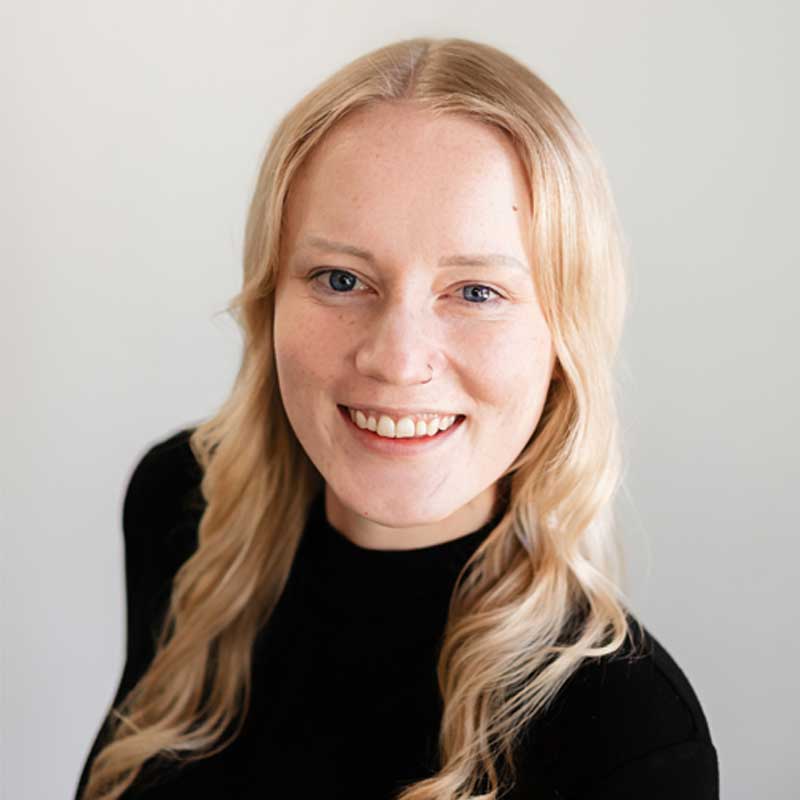
Alicia Zufelt, LCSW
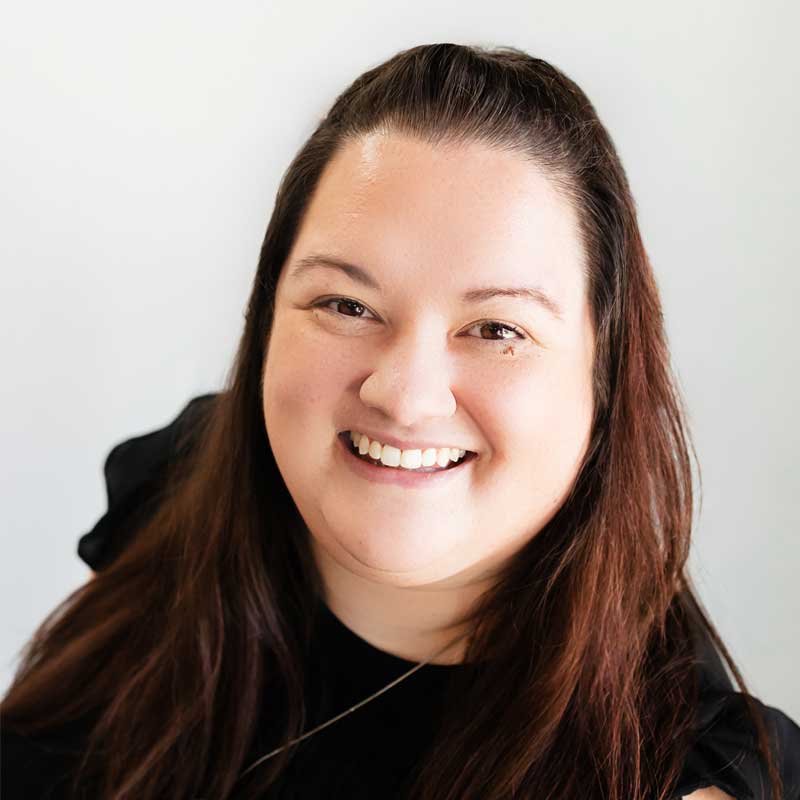
Ke’ala Cabulagan, LCSW
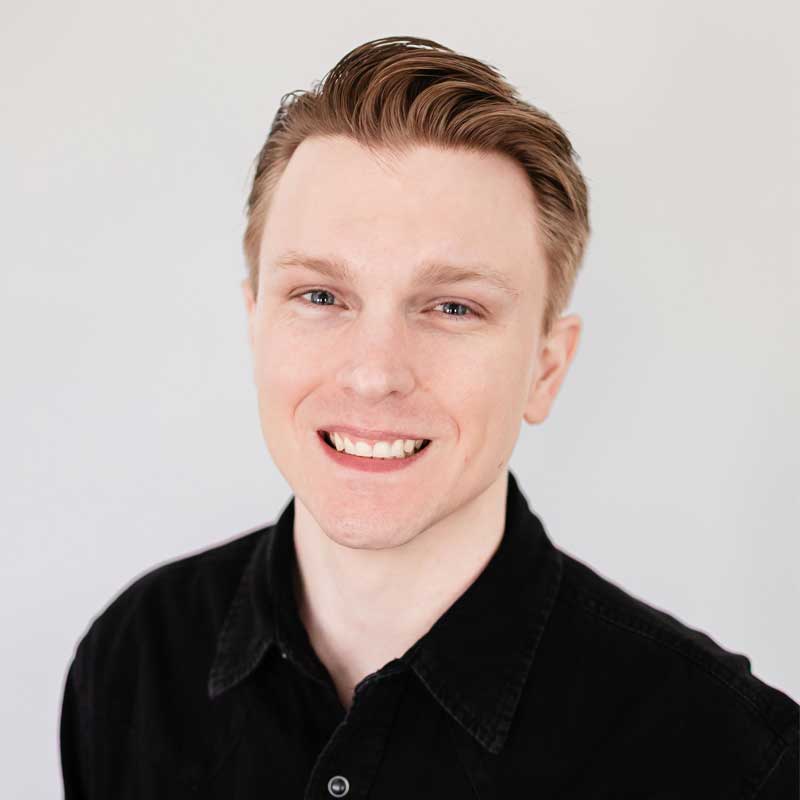
Jason Taylor, LCSW
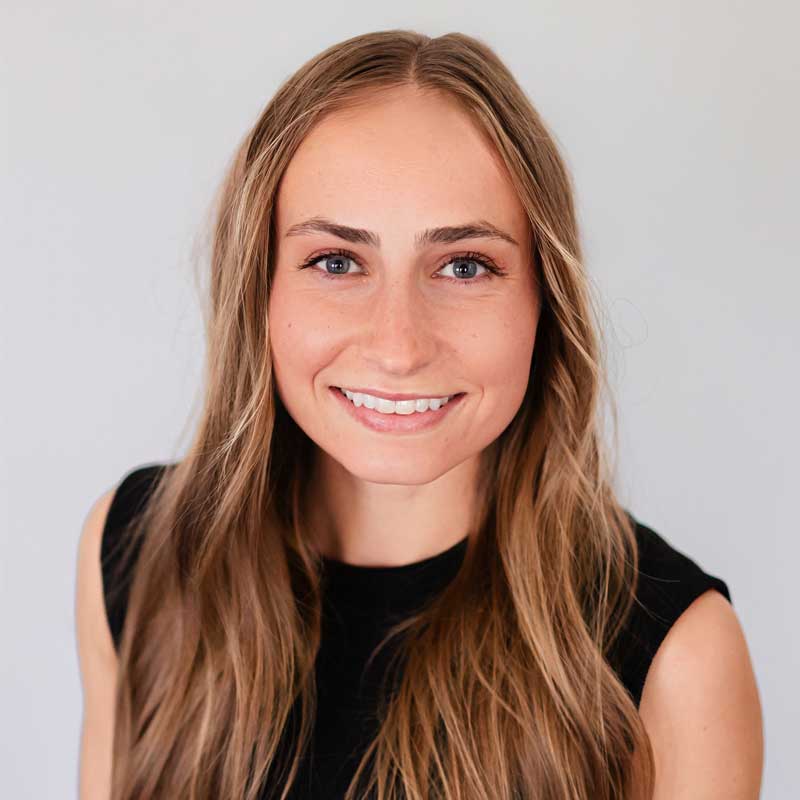
Morgan Jensen, CSW
- Main: (801)508-4150
- admin@rootedut.com
- Billing: (801)508-4011
- billing@rootedut.com
- Fax: (801)590-7003
- 11620 State Street, Ste # 1403 & #1404 Draper, UT 84020
- 1657 N Guardian Dr. Saratoga Springs, UT 84045

Our Mission
We provide a holistic approach to emotional and relational healing through integrating the mind, body, & spirit. In addition to standard psychotherapy, we offer clinical yoga, skills classes and health & wellness resources.