In the fast-paced and demanding world we live in, the burden of anxiety and stress often takes a toll on our mental and physical well-being. Rooted Counseling and Wellness is committed to helping individuals find effective ways to manage these challenges. One powerful technique, also related to somatic experiencing, that we teach our clients is deep breathing—a skill that not only provides immediate relief but can also serve as a cornerstone of long-term stress and anxiety management.
In this comprehensive guide, we will explore the art of deep breathing, its remarkable benefits, and how Rooted Counseling and Wellness can be your guide on this journey toward tranquility.
As we delve deeper into how to breathe deeply, you’ll discover that deep breathing is a versatile and discreet tool that can be employed anytime, anywhere. We will also introduce a basic deep breathing exercise with four simple steps: Inhale, Pause, Exhale, and Repeat. So, let’s begin our journey toward a calmer and more rooted existence.
The Hidden Treasure of Deep Breathing
Before we dive into the specifics of the deep breathing exercise, it’s essential to understand what makes this skill so valuable. Deep breathing is not just about taking a few leisurely breaths; it’s a powerful technique that can be harnessed to induce relaxation, reduce anxiety, and manage stress effectively. This skill is your secret weapon against the overwhelming demands of daily life.
What Is Deep Breathing?
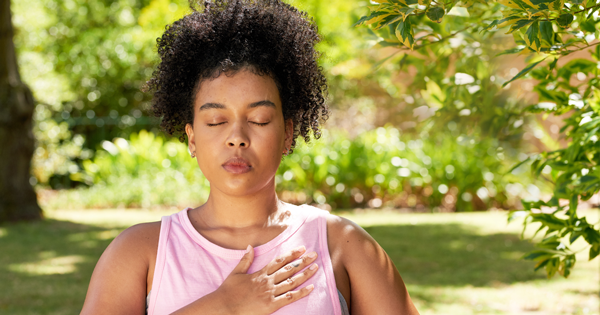
Deep breathing, also known as diaphragmatic breathing or abdominal breathing, is a simple yet potent technique. It involves purposefully taking slow and deep breaths to engage the diaphragm or stomach area fully. The diaphragm is a large muscle located beneath the lungs, and when it’s utilized properly, it promotes a sense of relaxation and calm.
The Portability of Deep Breathing
One of the most remarkable aspects of deep breathing is its portability. This skill can be employed discreetly at any time and in any place. Whether you’re at work, at home, or even in a crowded space, deep breathing is an accessible tool that can provide immediate relief.
The Basics of Deep Breathing
To get started with deep breathing, you don’t need any special equipment or a quiet, secluded space. All you need is a few minutes and the willingness to learn.
Here are the four basic steps of deep breathing:
- Inhale: Start by taking a slow, deep breath in through your nose. Inhale gently, allowing the air to fill your lungs for about 4 seconds.
- Pause: After inhaling, hold the air in your lungs for about 4 seconds. This pause allows your body to absorb oxygen efficiently and prepares you for the next step.
- Exhale: Exhale slowly and steadily through your mouth for approximately 6 seconds. As you breathe out, imagine releasing the tension and stress from your body.
- Repeat: This is the key to deep breathing’s effectiveness. Repeat the cycle for 5-10 minutes, or longer if you wish. The more you practice, the more benefits you’ll reap.
The Science Behind Deep Breathing
Deep breathing isn’t just a placebo or a New Age “fad”. Here is some scientific evidence supporting its effectiveness. When you engage in deep breathing, several physiological changes occur in your body, which contribute to its calming effects:
1. Stress Hormone Reduction
Deep breathing triggers the relaxation response in your body, which, in turn, reduces the production of stress hormones like cortisol. Lowering cortisol levels is crucial for long-term stress management.
2. Heart Rate Regulation
Your heart rate is intricately connected to your stress response. Deep breathing helps regulate your heart rate, ensuring it stays within a healthy range. This, in turn, lowers the overall stress on your cardiovascular system.
3. Blood Pressure Control
Chronic stress can lead to elevated blood pressure, which can have severe health consequences. Deep breathing has been shown to help reduce blood pressure, making it an essential tool for managing long-term stress.
4. Improved Oxygenation
The slow and deep breaths you take during deep breathing exercises enhance oxygen delivery to your body’s cells. This improved oxygenation can boost your overall sense of well-being and energy levels.
Immediate Relief with Deep Breathing
The beauty of deep breathing lies in its ability to provide immediate relief from anxiety and stress. Whether you’re experiencing a sudden surge of anxiety during a meeting at work or are grappling with stress during a crowded commute, deep breathing can be your go-to solution.
Deep Breathing for Anxiety
Anxiety often manifests with rapid and shallow breathing. By consciously shifting to deep breathing, you can interrupt the anxiety cycle. Deep breaths engage the diaphragm, sending signals to your brain that it’s time to relax. The calming effects can be felt within minutes, allowing you to regain control.
Deep Breathing for Stress
Stress, whether it’s related to work, personal life, or unexpected challenges, can be managed through deep breathing. By slowing down your breathing rate and focusing on the process, you can lower your stress levels and regain a sense of balance and equilibrium.
Long-Term Stress and Anxiety Management
While deep breathing is a fantastic tool for immediate relief, it also plays a crucial role in long-term stress and anxiety management. Incorporating deep breathing into your daily routine can have transformative effects on your overall well-being.
Daily Practice
Consistency is key when it comes to managing stress and anxiety. By dedicating a few minutes each day to deep breathing exercises, you can create a buffer against the effects of chronic stress. Just like any other skill, practice makes perfect.
Enhanced Resilience
Deep breathing enhances your emotional resilience, allowing you to handle challenging situations more effectively. Over time, you’ll find that you react less strongly to stressors, and your overall stress levels decrease.
Other Exercises and Variations of Deep Breathing
While the basic deep breathing exercise is a fantastic starting point, there are several variations you can explore to find the technique that resonates with you the most.
Here are a few options:
1. Box Breathing
Box breathing is a structured form of deep breathing that involves four equal counts for each step—inhale, hold, exhale, and hold. This method is particularly helpful for those who thrive on routine and structure.
2. 4-7-8 Breathing
The 4-7-8 breathing technique is designed to improve relaxation and sleep. Inhale for 4 seconds, hold for 7 seconds and exhale for 8 seconds. This pattern is known for inducing a sense of calm.
3. Alternate Nostril Breathing
A technique borrowed from yoga, alternate nostril breathing involves closing one nostril with your finger and inhaling through the other. It’s a more meditative form of deep breathing, and it’s excellent for calming the mind.
4. Progressive Muscle Relaxation
Combine deep breathing with progressive muscle relaxation. As you exhale, focus on a specific muscle group and consciously release tension. This variation is excellent for those who carry physical tension due to stress.
How Rooted Counseling and Wellness Can Help
At Rooted Counseling and Wellness, we understand that each individual’s journey to managing stress and anxiety is unique. We offer a range of services and therapeutic approaches, and deep breathing is just one piece of the puzzle.
Counseling and Therapy
Our experienced therapists provide a safe and supportive environment where you can explore the root causes of your anxiety and stress. We work with you to develop coping strategies, including deep breathing, to help you regain control over your emotional well-being.
Stress Management Programs
For those seeking a structured approach to stress management, we offer specialized programs that incorporate deep breathing and other relaxation techniques. These programs are designed to help you build long-term resilience and manage stress more effectively.
Workshops and Classes
We regularly conduct workshops and classes on deep breathing and other mindfulness techniques. These sessions provide a sense of community and allow you to learn from experts while sharing your experiences with others.
Online Resources
For those who prefer self-guided learning, our online resources provide valuable information and exercises to help you incorporate deep breathing into your daily life. These resources are accessible at your convenience.
Intentional Holistic Approach
Regardless of how you work with us, we bring our Intentional Holistic Approach to mental health, which means we bring awareness to the body, mind, and spirit, and ensure that our clients are integrating the changes as we go along. Deep breathing is just one of the many tools in your toolbox, and when used in conjunction with other therapeutic techniques, it can be a powerful force in achieving emotional balance.
Take a Moment to Breathe
In a world where stress and anxiety are commonplace, the art of deep breathing stands as a beacon of hope and tranquility. Whether you seek immediate relief from overwhelming emotions or wish to build a foundation for long-term stress management, Rooted Counseling and Wellness is here to support you on your journey.
Take a moment to breathe deeply and remember that a calmer, more rooted existence is within your reach. Deep breathing is a skill that can empower you to face life’s challenges with grace and resilience. With Rooted Counseling and Wellness by your side, you can embrace a life filled with peace, balance, and presence, all so you can move beyond survival and thrive.