Rooted & Counseling Wellness
Support for Individuals with Trauma

What is Trauma?
What Kind of Events are Considered Trauma?
- 9Accidents or Injuries
- 9Attachment Trauma
- 9Betrayal or Infidelity
- 9Emotional Abuse or Neglect
- 9Being Shamed or Rejected
- 9Bullying ( In-Person and Cybering)
- 9Community Violence
- 9Discrimination: Sexism, Racism, Agism, Ableism, Classism
- 9Divorce or Breakups
- 9Domestic Violence
- 9Intergenerational Trauma
- 9High Conflict Divorce
- 9Job Loss
- 9Medical Trauma
- 9Microagressions
- 9Military Combat
- 9Miscarriage, Infertility, Stillbirth, or Traumatic Birth
- 9Narcissistic Abuse
- 9Natural Disasters
- 9Physical Abuse or Neglect
- 9Religious or Spiritual Trauma
- 9Refugee Trauma
- 9Ritualistic or Cult Abuse
- 9Secondary/Vicarious Trauma
- 9Sexual Abuse and Assault
- 9Trafficking
- 9Terrorism
- 9Traumatic Grief
- 9Verbal Abuse/Harassment
- 9War Zone

Rooted Counseling & Wellness
How Trauma Impacts People
The effects of trauma are diverse and can manifest in various ways depending on the individual and their specific experiences.
Some common impacts include:
Emotional Symptoms
Anxiety, depression, and overwhelming feelings of fear or sadness
Physical Symptoms
Chronic pain, headaches, and gastrointestinal issues without an apparent medical cause
Relational Struggles
Challenges in forming or maintaining relationships, often linked to trust issues or attachment difficulties
Mental Health Disorders
Post-Traumatic Stress Disorder (PTSD), anxiety disorders, or depression can develop as a result of unresolved trauma
Healing Through Trauma Therapy
Eye Movement Desensitization and Reprocessing (EMDR)
EMDR is an evidence-based therapy that helps individuals reprocess traumatic memories by using bilateral stimulation, such as eye movements.
This process helps reduce the emotional intensity of traumatic memories and allows individuals to integrate these experiences into their overall life narrative.
Accelerated Resolution Therapy (ART)
ART is similar to EMDR in that it uses eye movements or bilateral A key feature of ART is its focus on changing how a person visualizes troubling or traumatic memories.
Rather than reliving the memory in its original form, the client is guided to “rescript” the memory into something more positive or neutral.
Internal Family Systems (IFS)
IFS is based on the idea that the mind is made up of different “parts,” each with its own perspective and role.
Childhood trauma often leads to the development of protective or reactive parts.
IFS helps individuals identify and heal these parts, fostering a more harmonious and integrated sense of self.
Lifespan Integration (LI)
LI is a gentle, body-based therapy that utilizes memory cues and timeline work to support nervous system regulation, build self-trust, and foster lasting internal change without needing to relive every detail of the past.
LI helps the nervous system recognize that the past is truly over, which promotes deep emotional integration and lasting change.
LI is especially effective for childhood trauma, attachment wounds, and experiences where clients “know they’re safe” but don’t feel safe.


Somatic Interventions
SE is a body-focused therapy that helps individuals release trauma stored in the body.
It emphasizes the connection between mind and body, encouraging individuals to become aware of physical sensations and gradually release tension and trauma-related stress held in the body.
Mindfulness-Based Therapies
Mindfulness-based therapies, such as Mindfulness-Based Stress Reduction (MBSR) and Mindfulness-Based Cognitive Therapy (MBCT), teach individuals to stay present and observe their thoughts and feelings without judgment.
This can help reduce anxiety and stress related to traumatic memories and improve overall emotional regulation.
Attachment-Based Therapy
This approach focuses on the bonds we form with others, particularly in early life.
It’s especially beneficial for those who have experienced childhood trauma or disruptions in attachment during critical developmental periods.
Prolonged Exposure Therapy
Prolonged Exposure Therapy is a type of Cognitive-Behavioral Therapy (CBT) that helps individuals confront and process traumatic memories in a safe, structured way. At Rooted, we ensure that you are able to have the support and assistance you need to review, regroup, and reconnect as you release the emotional impact of the trauma over time.
Rooted Counseling & Wellness
Understanding the 3 Phases of Trauma Treatment

Phase 1: Safety & Stabilization
Why it’s important: Before processing trauma, clients need to feel emotionally and physically safe — both in their bodies and in the therapeutic relationship.
This phase helps individuals:
- Build trust with your therapist & learn to manage overwhelming emotions
- Develop coping tools for anxiety, flashbacks, dissociation, etc.
- Understand your symptoms as survival responses, not weaknesses.
Without this phase: Trauma processing can be destabilizing and retraumatizing.
Phase 2: Trauma Processing
Why it’s important: This is where the actual trauma memories, emotions, and beliefs are explored and integrated using methods like EMDR, somatic work, narrative therapy, or parts work.
This phase helps individuals:
- Reprocess painful memories with safety and support
- Release shame, fear, or flight or freeze responses tied to the past
- Update the brain and body’s understanding of the trauma (“It’s over ”)
- Begin transforming core beliefs (e.g., “I’m broken” → “I’m resilient”)
Without Phase 1: Clients may not have the internal resources to process safely.
Without Phase 3: The healing may not fully translate into everyday life.
Phase 3: Integration & Reconnection
Why it’s important: After trauma has been processed, clients work on rebuilding a meaningful, connected life — one not defined by trauma.
This phase helps individuals:
- Strengthen identity outside of trauma or survival
- Reconnect with relationships, community, spirituality, or purpose
- Practice new ways of living, relating, and caring for themselves
- Build long-term resilience and prevent relapse
Nervous System Care for Trauma Recovery
Healing from trauma isn’t just about addressing the past—it’s about creating a healthier, more balanced future. A focus on therapy and wellness ensures that individuals have the tools they need to increase their Window of Capacity and rebuild their lives. In addition to trauma processing therapeutic modalities, holistic trauma recovery may include:

Trauma-Sensitive Yoga
Expressive Arts
Breathwork
Emotion Code
Mindefulness/Meditation
Acupuncture
Journaling
Nutrition & Hydration
Quality Sleep
Mindful/Joyful Movement
Boundaries with Self
Boundaries with Others
A Path to Hope

Trauma can have a profound and lasting impact, but with the right support individuals can heal and regain influence of their lives. Counseling can play a pivotal role in the healing journey.
Through compassionate and skilled guidance, individuals can process their trauma, develop coping mechanisms, and explore paths to recovery. Rooted Counseling & Wellness offers a wide variety of trauma therapies in Draper and Saratoga Springs. Our dedicated team of experienced counselors specializes in trauma-informed approaches, ensuring that every client receives the care they need. You don’t have to face trauma alone—help is just a call away.
EMDR Therapist
Alicia Zufelt, LCSW
Audrey Laurence, CSW
Christianne Davis, AMFT
Halie Boardman, LCSW
Ke’ala Cabulagan, LCSW
Romina Marquez, LCSW
LI Therapists
Anna DiSera (Level 2), LCSW
Elicia Pye (Level 1), CSW
Erin Anguino (Level 1), LMFT
Halie Boardman (Level 4), LCSW
ART Therapists
Annie Adams, LCMHC
Jason Taylor, LCSW
Nicole Dahlgren, LCSW
Somatic Practice Therapists
Anna DiSera, LCSW
Halie Boardman, LCSW
Ke’ala Cabulagan, LCSW
Romina Marquez, LCSW
IFS Therapists
Alicia Zufelt, LCSW, Foundationally Trained
Anna DiSera, LCSW, Foundationally Trained
Annie Adams, LCMHC IFS, Level 1 Trained
Audrey Laurence, CSW, Foundationally Trained
Christianne Davis, AMFT, Foundationally Trained
Elicia Pye, CSW, Foundationally Trained
Halie Boardman, LCSW, Foundationally Trained
Jason Taylor, LCSW, Foundationally Trained
Ke’ala Cabulagan, LCSW, Foundationally Trained
Romina Marquez, LCSW, Level 2 Trained
Rooted Counseling & Wellness
Start Your Journey Towards Healing
Your journey towards relief from past experiences, trauma, and pain can start now with Rooted Counseling & Wellness.
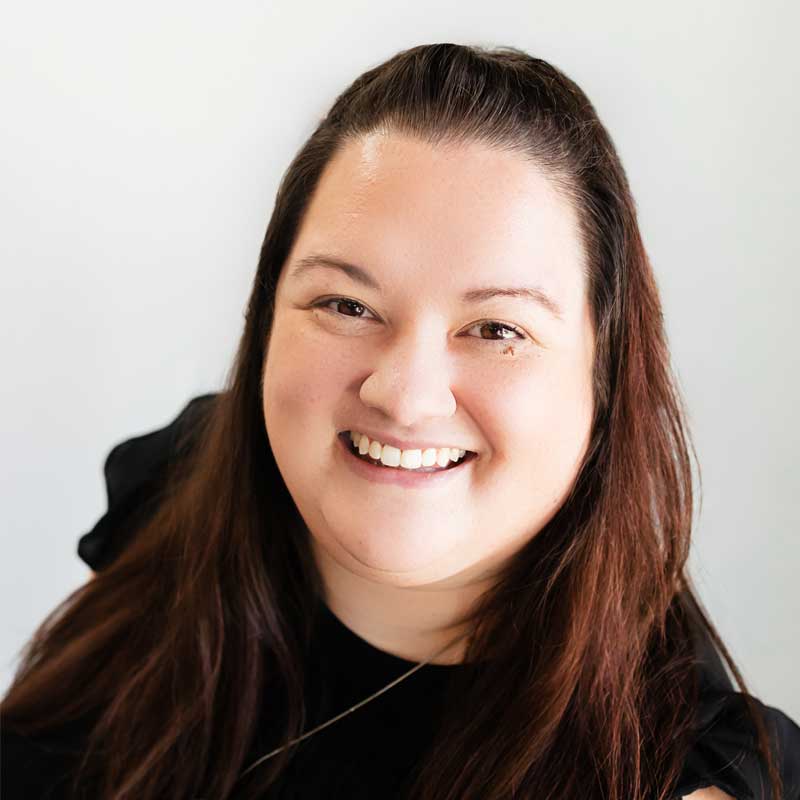
Ke’ala Cabulagan, LCSW
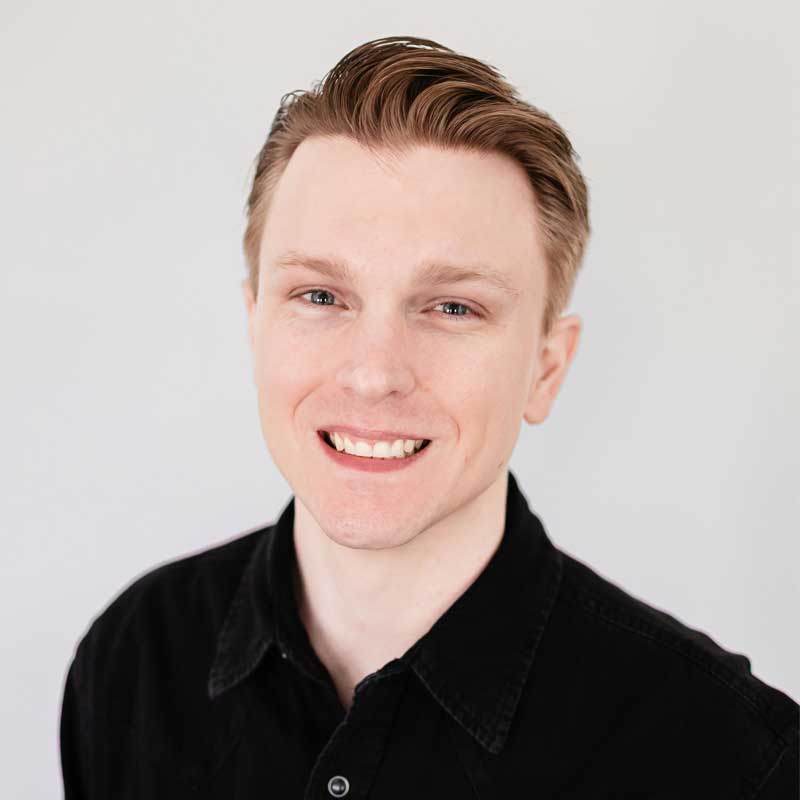
Jason Taylor, LCSW

Anna DiSera, LCSW
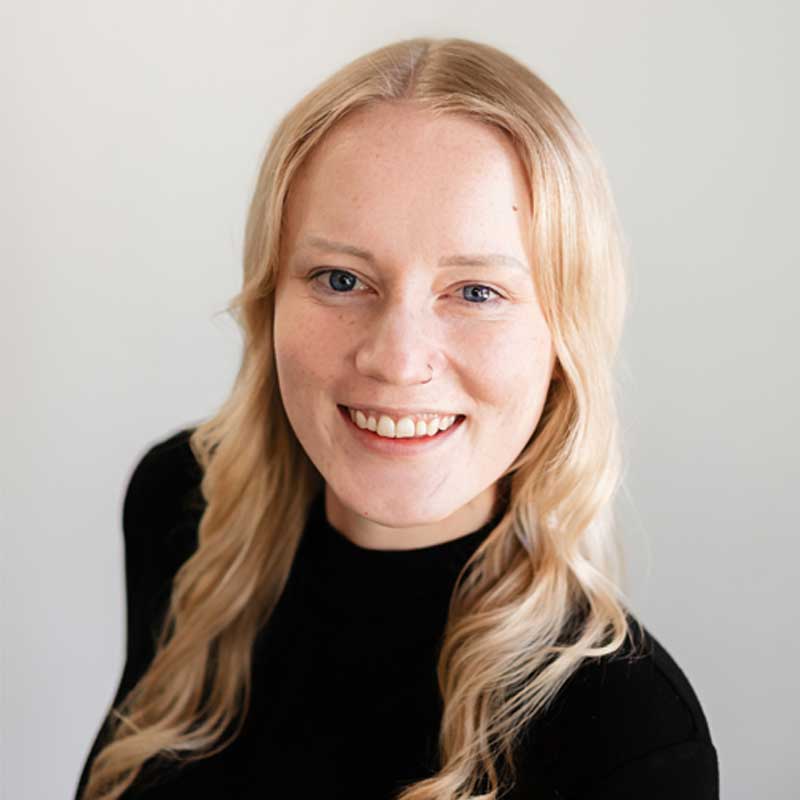
Alicia Zufelt, LCSW

Elicia Pye, CSW

Annie Adams, LCMHC
- Main: (801)508-4150
- admin@rootedut.com
- Billing: (801)508-4011
- billing@rootedut.com
- Fax: (801)590-7003
- 11620 State Street, Ste # 1403 & #1404 Draper, UT 84020
- 1657 N Guardian Dr. Saratoga Springs, UT 84045

Our Mission
We provide a holistic approach to emotional and relational healing through integrating the mind, body, & spirit. In addition to standard psychotherapy, we offer clinical yoga, skills classes and health & wellness resources.